

M&A in 2025: Sustainability and Recovery
Introduction
The mergers and acquisitions (M&A) market has experienced a contrasting scenario in recent years. After the strong dynamism seen in 2021 and 2022, rising interest rates, inflation, and geopolitical uncertainty cooled activity in 2023 and part of 2024. However, in early 2025, signs of recovery are beginning to emerge: although the number of deals globally has decreased, the total value of transactions has increased, reflecting a greater appetite for large-scale strategic operations.
In this new cycle, sustainability has become a decisive factor. ESG criteria (environmental, social, and governance) are no longer a reputational add-on but a central axis for long-term value creation. Increasingly, investors and companies seek deals that not only generate financial synergies but also drive the transformation toward more responsible and resilient business models.
This context sets the course for M&A in 2025: balancing the caution imposed by the macroeconomic environment with the opportunity to lead the sustainable transition.
Part I: M&A and Sustainability (ESG)
Sustainability has shifted from being a secondary element in corporate transactions to becoming a decisive criterion in M&A strategy. According to various studies by international consulting firms, more than 70% of executives now incorporate ESG factors (environmental, social, and governance) into their due diligence processes and company valuations. This means that a company’s ability to reduce its carbon footprint, improve labor practices, or strengthen transparency can directly influence the price and feasibility of a deal.
The impact is twofold. On one hand, companies with a solid sustainability proposition are seen as more resilient to regulatory, reputational, and market risks. On the other, those that fail to integrate these criteria face valuation discounts or even reduced attractiveness to potential buyers or investors.
In this context, sectors most linked to the energy transition and sustainable digitalization are attracting the greatest attention. Renewable energy, clean technologies, electric mobility, and energy efficiency solutions are concentrating a growing volume of transactions. At the same time, ESG-focused investment funds have increased their activity, driving deals aimed at accelerating decarbonization or business model circularity.
The technological dimension reinforces this trend. Data analytics tools and the emergence of generative artificial intelligence enable more precise and faster due diligence, assessing sustainability indicators and future impact scenarios in detail. This translates into better post-merger integration, as it helps identify synergies in energy efficiency, corporate culture, and risk management.
Sustainable M&A is no longer a niche but a new market standard. Companies that align their corporate strategy with ESG criteria will not only increase their value in the eyes of investors and buyers but also be better prepared for an increasingly demanding and regulated business environment.
Part II: Spanish Outlook in 2025
The Spanish M&A market is starting the year with caution. After 2024 closed with a notable rebound in the number of transactions and the return of large-scale deals, the first half of 2025 has shown a significant decline: 1,488 deals were recorded with a total value of €47.5 billion, representing a 17% drop in volume and a 19% drop in value compared to previous comparable periods. In fact, the first quarter reflected a 60% contraction in deal volume compared to the same quarter in 2024.
This slowdown is mainly explained by macroeconomic uncertainty (high interest rates, international trade tensions, and market volatility). However, beyond this cyclical cooling, the market continues to show structural interest in key sectors. In particular, renewable energy, technology, real estate, logistics, and infrastructure account for much of the activity, confirming the relevance of energy transition and digitalization as strategic investment drivers.
A distinctive feature of the Spanish market in 2025 is the growing role of family businesses. According to recent studies, 27% of family business owners plan to make acquisitions in the short term, and 29% are considering strategic alliances. This trend reflects a shift in mindset: from a traditionally defensive position toward greater proactivity in pursuing inorganic growth.
International funds keep Spain on their radar, attracted by its strategic position in sectors such as tourism, clean energy, and telecommunications. However, the intensity of their activity will largely depend on the evolution of the global context: the stabilization of interest rates and clarity in international trade policy will be decisive factors for the market to regain sustained momentum.
Conclusion and Strategic Vision
The M&A market enters 2025 in a transition phase: deal volumes have slowed, but at the same time, there is a greater focus on high-quality transactions with increasingly relevant strategic and sustainable components. In Spain, despite the decline in the number of deals during the first half of the year, signs of dynamism persist in key sectors such as renewable energy, technology, real estate, and logistics, confirming that the country remains attractive to both domestic and international investors.
The integration of ESG criteria has consolidated as a differentiating factor that directly influences valuation and deal success, providing resilience against regulatory and reputational risks and opening new growth avenues. At the same time, the adoption of digital tools and artificial intelligence is transforming how due diligence and post-merger integrations are executed.
In an environment of high interest rates and economic tensions, companies that bet on sustainable and well-planned inorganic growth will be better positioned to seize opportunities and strengthen competitiveness. M&A in 2025 is no longer just about adding assets: it has become a strategic lever to build stronger, more innovative organizations aligned with future challenges.
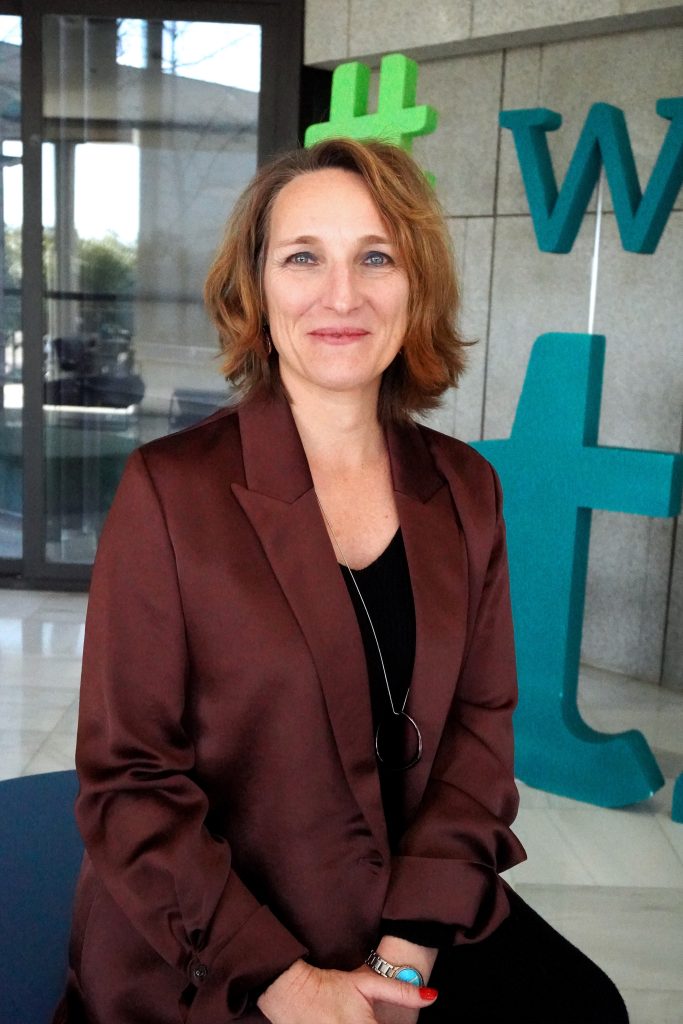 Gloria Parellada de Griñó
C/ Trópico 6, Parque Industrial Las Monjas
28850. Torrejón de Ardoz, Madrid
Telephone : +34912054403
Email : gloria.parellada@atisa.es
Website : http://www.atisa.es