
International expansion is no longer reserved for large multinational corporations.
Today, companies of all sizes operate across borders: opening subsidiaries, hiring abroad, managing international supply chains, or structuring investments in multiple jurisdictions.
While these opportunities create growth, they also introduce significant legal and financial complexity.
In this environment, the quality and coordination of professional advisors can determine the success (or failure) of an international project.
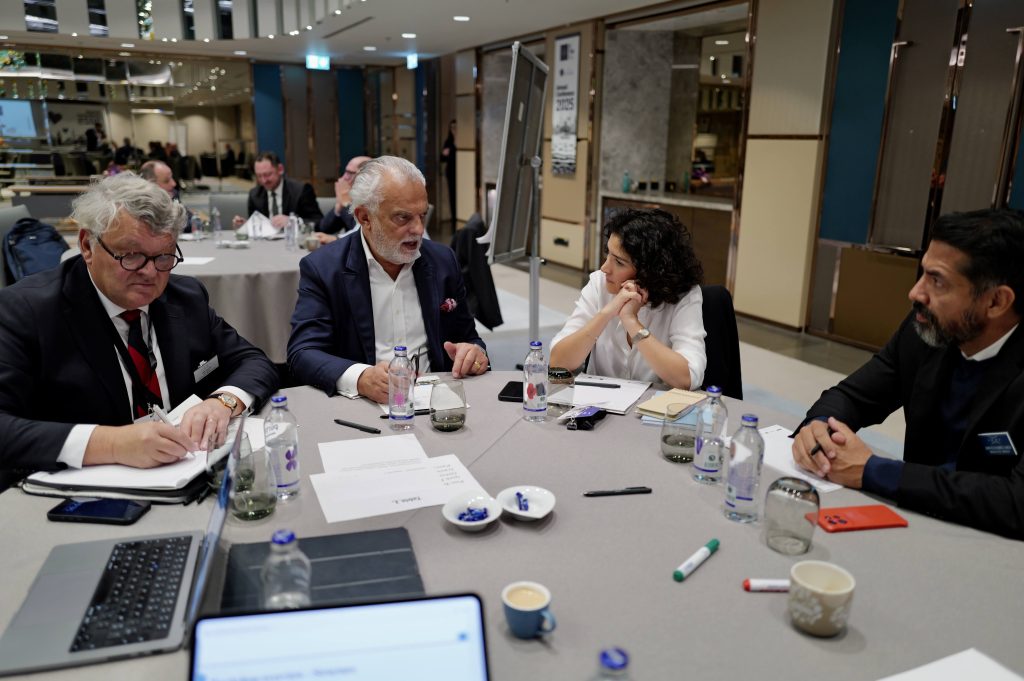
International growth comes with legal and financial risks
Operating in more than one country exposes businesses to challenges such as:
-
differing corporate and tax regulations
-
employment and social law variations
-
compliance and reporting obligations
-
contract enforceability across jurisdictions
-
regulatory exposure and liability risks
These issues are rarely isolated. Legal decisions impact taxation, and financial structures must comply with local and international legal frameworks.
Yet many companies still approach international matters in a fragmented way, relying on separate advisors in each country, often working without coordination.
The limits of a fragmented advisory model
Working with isolated local advisors can create blind spots:
-
inconsistent advice between jurisdictions
-
delays due to lack of coordination
-
increased costs from duplicated work
-
higher exposure to legal or tax errors
In cross-border matters, the absence of a shared framework and common standards often leads to inefficiencies and unnecessary risk.
Businesses increasingly need advisors who understand both local realities and international consequences.

The value of a trusted international network
A structured international network offers a fundamentally different approach.
Rather than assembling advisors on a case-by-case basis, companies gain access to professionals already accustomed to working together across borders.
This model allows for:
-
coordinated legal and tax strategies
-
faster and more informed decision-making
-
consistent standards of quality
-
clearer accountability
Trust becomes institutional rather than individual.
Why legal and accounting expertise must work together
In international business, separating legal and financial advice is rarely effective.
Examples include:
-
corporate structuring and tax optimization
-
cross-border mergers and acquisitions
-
international employment and mobility
-
regulatory compliance and reporting
-
dispute resolution with financial implications
Each of these areas requires close alignment between lawyers and accountants.
Networks that integrate both professions provide businesses with a clearer, more secure advisory framework.

IGAL: a coordinated international approach
International Grouping of Accountants and Lawyers (IGAL) was created to respond to these challenges.
IGAL connects lawyers and accountants across multiple jurisdictions, selected for their expertise, professional reputation and experience in international matters.
Members share:
-
a commitment to professional excellence
-
an understanding of cross-border dynamics
-
and a culture of collaboration
This structure enables businesses to access reliable local expertise while benefiting from international coordination.
Supporting businesses at every stage
IGAL members regularly assist companies with:
-
international expansion and market entry
-
corporate structuring and restructuring
-
cross-border transactions
-
ongoing compliance and operations
-
dispute prevention and resolution
By working within a network, professionals can anticipate cross-border issues early and align strategies accordingly.
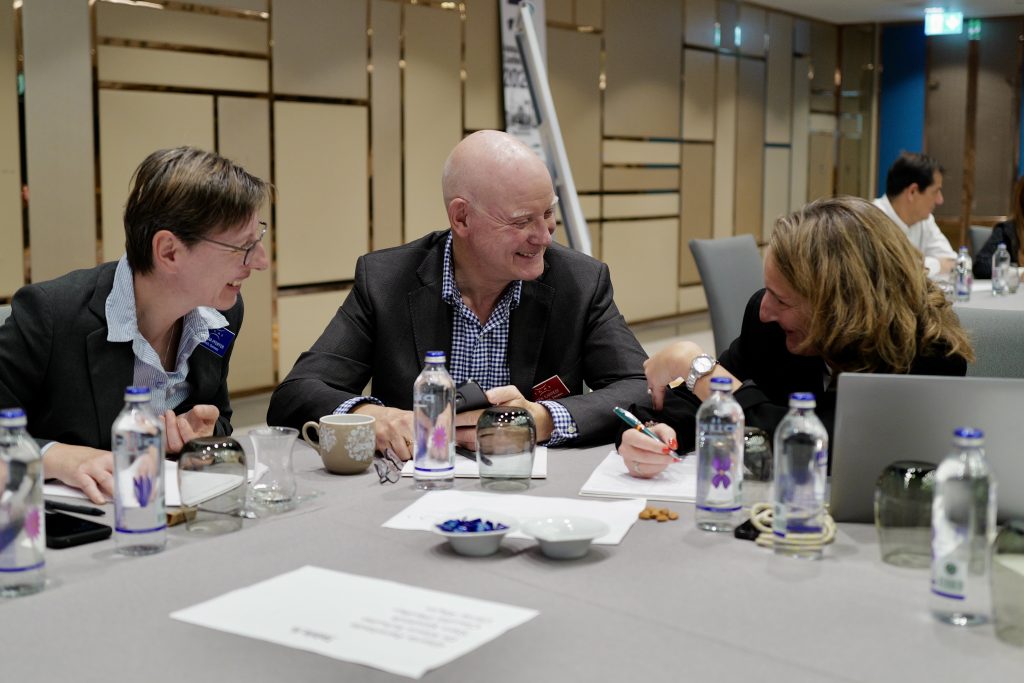
Risk management through professional recognition
In international matters, risk often arises from uncertainty — uncertainty about regulations, advisors, or local practices.
IGAL reduces this uncertainty through:
-
peer-recognised professionals
-
consistent professional standards
-
and long-term relationships between members
For businesses, this means greater confidence when operating abroad.
A strategic asset for international companies
Choosing an international network is not simply a logistical decision. It is a strategic one.
A trusted network provides:
-
continuity across jurisdictions
-
institutional knowledge
-
and a reliable framework for growth
Rather than reacting to problems as they arise, businesses can plan and expand with greater security.
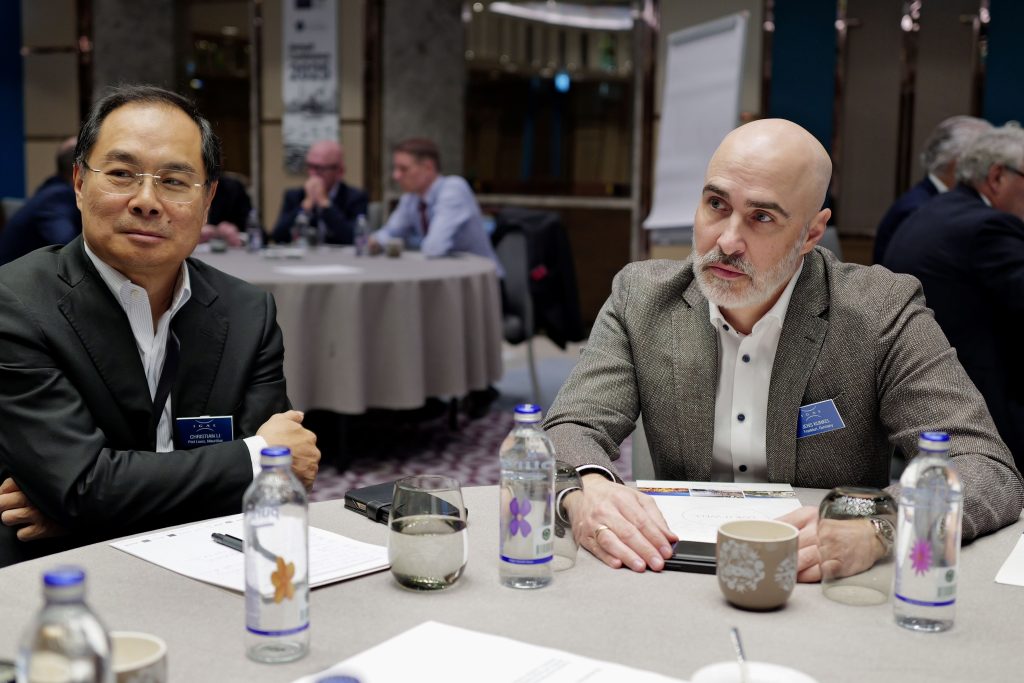
International growth requires more than opportunity and ambition. It requires trusted legal and financial guidance, coordinated across borders.
By bringing together lawyers and accountants within a single international framework, IGAL offers businesses a structured, reliable and long-term solution to cross-border complexity.
In a global economy where risk and regulation continue to increase, trusted international networks are no longer optional — they are essential.